
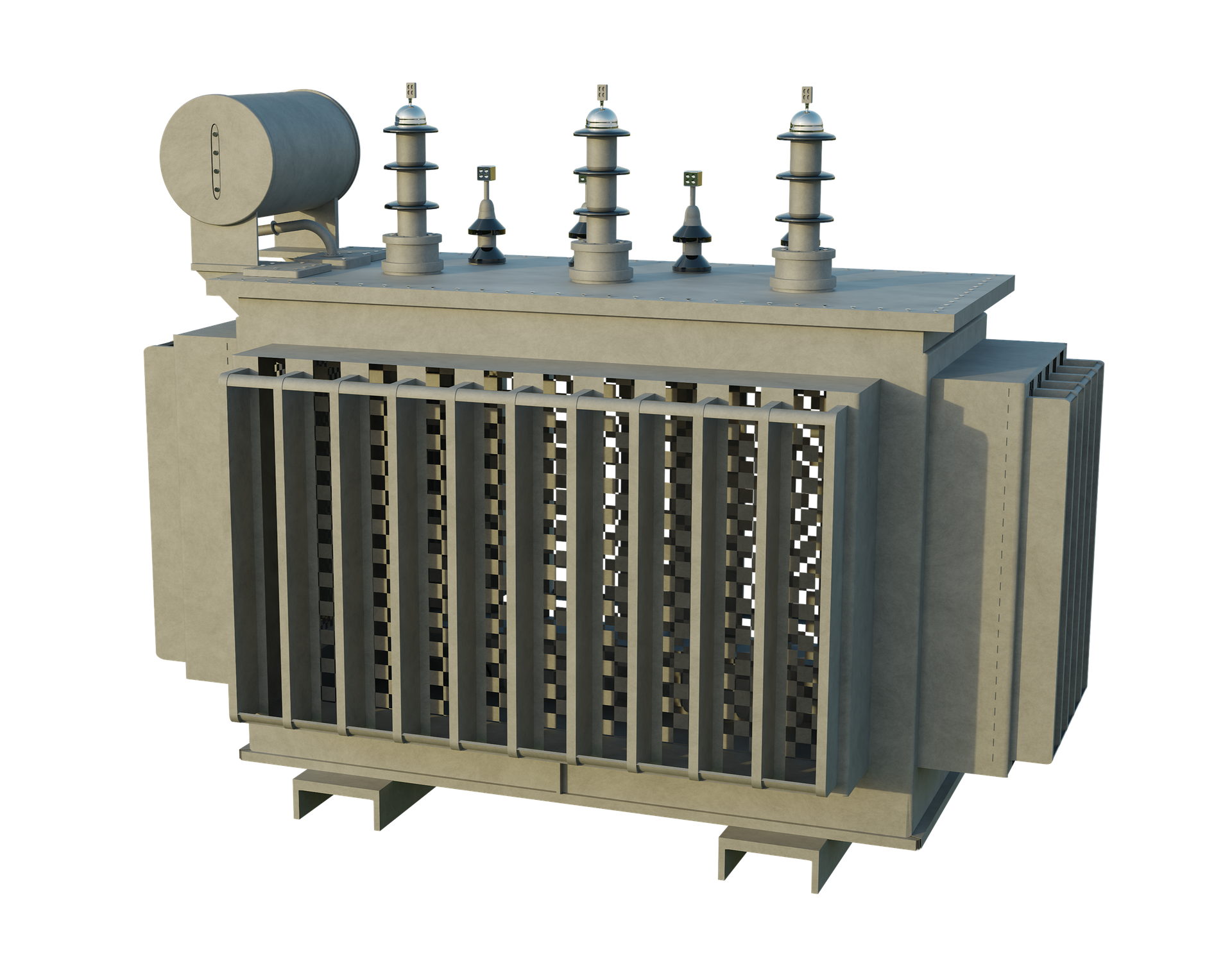
Are electrical transformers dangerous? What have been the most significant incidents at an international level? What risks does a sudden failure in an electrical substation pose to the manufacturer? Which industrial applications pose the greatest risk to three-phase transformers? How can companies that manufacture or install transformers protect themselves against a claim for compensation?
These are the most frequently asked questions that companies put to us in various contexts when they want to know exactly how to safeguard their relationships with customers and suppliers in the event of damage caused by one of their own transformers.
The risks faced by multinational companies that manufacture large-scale plant are very different from those faced by firms that manufacture or install three-phase transformers, bearing in mind that companies carrying out installation or maintenance work are also required to perform their tasks with the utmost care and diligence.
Are electrical transformers considered dangerous?
It depends mainly on the type and their use.
For the sake of practicality, let us immediately draw a clear distinction between:
– large industrial transformers
– electrical transformers located inside industrial transformer substations
– three-phase electrical transformers incorporated into products other than industrial transformer substations.
In summary, electrical transformers are not inherently dangerous, but precisely because they handle significant amounts of electrical energy, there may be risks arising from design, installation and maintenance errors which must under no circumstances be overlooked – neither by those who manufacture them, nor by those who install them within electrical substations, nor by those who purchase them to incorporate them, as we shall see, into their own products.
Although domestic devices, such as small chargers, are fairly safe, large industrial transformers pose a very high risk, as we shall see below.
Three-phase electrical transformers specifically designed for automation or used to protect motors, inverters and industrial drives deserve a separate discussion.
With regard to the latter, if installed within other products, in the event of a malfunction they can cause significant damage to property and personal injury, and insurance companies are well aware of this, given the continuous rise in premiums for policies covering claims arising from defective products.
Let’s start with large-scale plant: what have been the most significant incidents over the last three years at an international level?
Over the last three years, there have been several faults and incidents involving large-scale energy transformation plants, including high-voltage ones, often caused by overheating, short circuits, maintenance errors or accidental causes.
We are dealing here, we repeat, with large-scale industrial plant, that is to say entire systems and groups of high-voltage/medium-voltage substations.
In Romania, a 10,000 kW transformer containing 30 tonnes of insulating oil recently exploded, triggering a massive fire visible across the entire area. Fortunately, there were no casualties.
In Chelyabinsk, Russia, a fire caused by a transformer explosion severely damaged a large industrial plant.
In the United States, between 2025 and 2026, there were explosions and fires involving large transformers in densely populated urban areas such as Cleveland and New York, resulting in widespread blackouts and disruption for the public.
In 2025, in Hyderabad, India, a sudden explosion caused by a short circuit during excavation work resulted in the death of a worker, sparking controversy over the safety and maintenance of infrastructure.
If the transformer inside an electrical substation fails, what risks do we face? Who pays for the damage?
In the manufacturing sector, industrial electrical transformers handle high currents for electroplating operations, electric arc furnaces and grinding processes.
These systems, designed to ensure precise voltage control on automated production lines and engineered to withstand severe thermal and mechanical stresses, are, in most cases, safe.
Although manufacturers of this type of transformer continue to invest heavily in technology and safety, we must not overlook the fact that a sudden failure can always occur, jeopardising the entire production cycle.
To illustrate, a fault in the electrical transformer substation, which causes an immediate power cut, can result in: Main causes (not to be included here):
- a complete halt to production
- potential damage to machinery not protected by a UPS and to IT systems
- significant financial losses.
Prolonged overloads: Powering machinery that exceeds the transformer’s rated power for long periods causes excessive overheating.
Overheating of the insulation: Heat is the number one enemy. High temperatures degrade the insulation of the windings (paper and oil), making it brittle and prone to short circuits.
Overvoltages: Sudden voltage spikes, caused by lightning strikes, switching operations on the electricity grid or insulation faults, can puncture the windings.
Moisture and contamination: The ingress of moisture or dust (particularly in dusty industrial environments) reduces the dielectric strength of the insulating oil or resins.
Mechanical faults: Continuous electromagnetic stresses can loosen the windings or cause abnormal vibrations that wear down internal parts.
Natural ageing: Over the years, the insulation loses its chemical and physical properties.
So, to answer the question of who pays for the damage, it is certainly, in the first instance, the insurance company covering the installations of the business that has suffered the damage.
Subsequently, this same insurance company may seek recourse:
1. from the companies responsible for both the maintenance and installation of the transformer substations.
2. from the manufacturer of the plant equipment.
A serious fire at the plant, caused by a faulty transformer, resulting in a prolonged halt to production, represents enormous damage for the company that has directly suffered it.
The damage may have been caused by employees’ incorrect operations, a lack of maintenance, or design and manufacturing faults: investigations to determine who is liable (the maintenance firm, the installer or the manufacturer) can take months, and the costs of surveyors, specialist technicians and solicitors can skyrocket.
In this specific case, what insurance policies are essential for obtaining compensation for damages quickly?
Undoubtedly, fire, machinery breakdown and business interruption policies are absolutely crucial for thecompany where production has come to a standstill.
The companies responsible for the installation and maintenance of the system must carefully check the limits of their professional liability cover against claims for compensation arising from errors.
Finally, the transformer manufacturer will need to call upon the insurer of the defective product to defend them.
Let’s talk about three-phase transformers: are they dangerous? Have there been any recall campaigns for these products in Europe?
Three-phase electrical transformers deserve a separate discussion; these are specifically designed for industrial and automation applications or used to protect motors, inverters and industrial drives.
Whilst it is true that single-phase transformers are, in most cases, used to power domestic appliances, lights and small systems in homes – and are therefore designed for low loads and low power – there can be issues with so-called three-phase transformers.
These transformers, which, in a nutshell, allow energy to be distributed evenly across three phases, are designed and manufactured to manage power not only within switchboards, as we have just seen, but also in heavy machinery and high-power electric motors where a continuous, uninterrupted supply of electrical current is required.
Consider a lift, a overhead crane or the ramp of a ferry, which needs to be used several times a day to unload cars, passengers and goods – or the hot tubs in a hotel that require continuous temperature monitoring: a fault in the transformer found in all these systems can cause serious problems.
To be clear, the transformer itself is not dangerous, but it can become so when, whilst functioning correctly, the product into which it has been installed causes damage to property or injury to people due to a problem arising from the transformer itself.
This is not the place to go into detail about how and when a three-phase transformer might fail.
If anything, we are here to emphasise that the risks faced by manufacturers of this electronic equipment are very serious when they sell their products to their suppliers, who then incorporate them into their own products.
It is these companies that, in the first instance, may subsequently be held liable for damage to property and personal injury.
And it is these companies that may seek recourse against our assets if it is discovered, at an earlier stage, that the damage to property and personal injury was caused by a fault in our transformer.
The companies that may take legal action against us are those that broadly operate in the manufacturing, civil engineering, recreational boating and energy sectors.
There are a vast number of industrial applications for three-phase transformers and therefore, when we sell our transformer to a company operating in one of these sectors, we must inevitably take into account the risks that our own suppliers may face as a result of a defect in our product.
In summary, three-phase transformers can be installed in: Three-phase transformers supply specific voltages for electric motors, presses and industrial robots; they are integrated into transformer substations at factories and production complexes, or used to manage high current draw; they step down the medium voltage of the main grid to low voltage; they distribute electricity for lighting,
lifts, heating and air-conditioning systems in large complexes; they are essential for ensuring the correct current flow in the charging points for expensive electric cars and boats, and so on.
- heavy machinery
- power distribution boards at production sites
- industrial furnaces and welding machines
- transformer substations
- lifts
- vessels and ferries
- Industrial overhead cranes
- electric car charging points
- luxury yachts
- thermal water pumping systems
Although there is currently no evidence of any recall campaigns for electrical transformers, we must nevertheless bear in mind that claims for compensation do indeed exist and that, for reasons of confidentiality, they are certainly not publicised on the internet.
Companies that manufacture and purchase transformers are keen to maintain their supply relationships intact: in the event of legal action, they delegate the management and resolution of disputes with those who have suffered damage to the insurance companies with which they have insured against product liability claims and to their own legal advisers.
How can companies that manufacture or install transformers protect themselves against a claim for compensation?
Before discussing insurance, we advise companies to draw up a proper plan for identifying, reducing and monitoring risks.
It is the very same insurance companies that we ask to insure our product against manufacturing defects who require compliance with standards that are essential for identifying, reducing and monitoring the potential for causing damage to property and injury to people.
This is a very complex subject and we reserve the right to deal with it separately.